

Celebrating Pongal with Nature in Wayanad
Pongal is a festival rooted in rhythm—of harvest, of seasons, of gratitude. Traditionally marked by early mornings, slow cooking, shared meals, and time spent together, it carries a pace that often feels at odds with how it is celebrated in cities today.
In the hills of Wayanad, Pongal still feels closer to its original spirit. The festival coincides with cooler mornings, softer light, and landscapes that invite people to step outside rather than rush through schedules. For travellers who prefer to observe festivals rather than perform them, Wayanad offers a setting where Pongal feels quieter, more personal, and closely tied to nature.
Pongal in the Hills: A Different Seasonal Rhythm
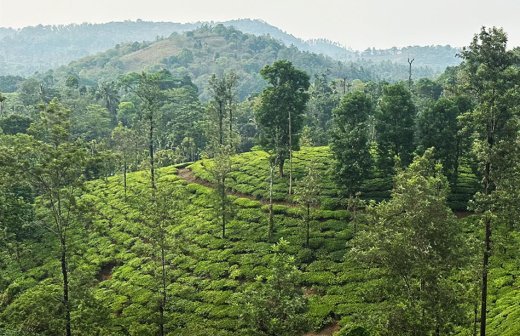
Unlike the plains, where Pongal is often marked by crowded gatherings and tightly planned events, Wayanad experiences the festival through its environment. January brings clear skies, cool nights, and mornings where mist lingers over forest edges. The agricultural roots of Pongal feel especially relevant here, in a region shaped by plantations, rain-fed farming, and forest ecosystems.
Days begin early, often with walks before breakfast, when the air is still and bird activity is high. The festival does not interrupt daily life; it blends into it. For families and couples travelling during Pongal, this slower rhythm allows the celebration to unfold naturally rather than be scheduled.
Food, Mornings, and the Meaning of Pongal
At its heart, Pongal is about food—simple, seasonal, and shared. In Wayanad, the festival often centres around breakfasts that stretch longer than usual and lunches that feel unhurried. Fresh produce, rice-based dishes, and traditional preparations reflect the agricultural calendar more than ceremonial excess.
Celebrating Pongal in a hill region shifts the focus away from spectacle and toward presence. Meals are less about display and more about sitting together, often with views of forested slopes or open valleys. Conversations last longer. The day does not demand movement from one place to another.
Nature as Part of the Celebration
What sets Wayanad apart during Pongal is how closely nature participates in the festival. Forest trails remain active, rivers move steadily, and wildlife patterns remain unchanged by the holiday. Early walks often bring sightings of birds or quiet encounters with forest life, reminders that the region follows its own calendar.
The Western Ghats, one of the world’s most biodiverse regions, form the backdrop to these days. Even without venturing deep into protected areas, travellers experience this biodiversity through sound, light, and movement—elements that shape the mood of the festival more than decorations ever could.
Exploring Wayanad During the Pongal Season
Pongal is also a good time to explore Wayanad’s natural and cultural landmarks without the pressures of peak tourist seasons.
A visit to Edakkal Caves fits well into a Pongal itinerary. The walk up, the quiet surroundings, and the ancient carvings invite reflection rather than hurried sightseeing. Similarly, Kuruvadweep, with its shaded riverbanks and slow-moving water, offers a setting that aligns with the festival’s calm pace.
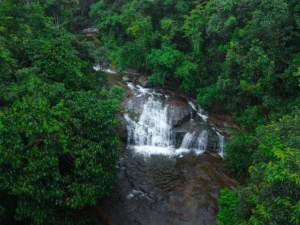
For those willing to venture further, Soochippara Falls flows steadily in January, framed by post-monsoon greenery. Chembra Peak, when approached early in the day, provides open views and a sense of scale that complements the reflective mood of the season.
These are not activities to stack into a checklist. During Pongal, most travellers find value in choosing fewer places and spending more time in each.
Why Festivals Feel Different in Forest Regions
Festivals in forest and hill regions tend to be less performative. There is less emphasis on crowds and more on continuity—life continuing at a measured pace, with the festival fitting into it rather than overriding it.
In Wayanad, this means Pongal does not come with amplified sound or packed venues. Instead, it shows up in the way days are structured, how meals are prepared, and how people move through their surroundings. For travellers used to urban celebrations, this contrast often becomes the most memorable part of the experience.
Staying Close to the Landscape
Choosing the right place to stay during Pongal matters, especially for those seeking a nature-led celebration. Properties closer to forest terrain allow travellers to experience mornings, evenings, and in-between hours without the interruptions of town traffic or crowded surroundings.
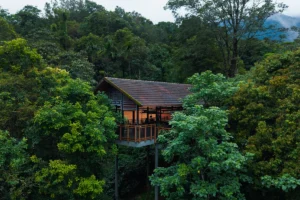
A stay like Vythiri Mist Resort, located at around 3000 feet in the Poonchola Hills, fits naturally into this kind of travel. Its rainforest setting places guests within the landscape rather than apart from it, making it easier to align the stay with the season.
Eco-luxury cottages offer privacy and comfort without drawing attention away from the surroundings. Nature walks and birdwatching trails can be part of the day without requiring travel. Dining, especially during festival days, becomes less about novelty and more about enjoying food in a setting that encourages slowing down.
Wellness and Rest During Festival Travel
For many travellers, festivals are also a time to pause. In Wayanad, Pongal often coincides with a desire for rest—physical and mental. Ayurvedic treatments, yoga sessions, and simple spa therapies fit well into festival stays, offering a way to reset without turning the holiday into a programme.
These experiences are not framed as activities to complete, but as options to take up when the day allows. This flexibility often appeals to couples and families who prefer to keep their time open rather than structured.
Pongal for Families and Couples
Families travelling during Pongal often look for open spaces where children can move freely and adults can relax without constant supervision. Wayanad’s landscape provides this naturally, with safe walking paths and calm surroundings.
For couples, the appeal lies in privacy and pace. Celebrating Pongal together in a forest setting offers space for conversation, shared routines, and time that is not interrupted by schedules. The festival becomes less about marking a date and more about sharing a few days that feel settled.
Final Thoughts
Pongal does not need crowds to feel meaningful. In places like Wayanad, the festival finds its expression through landscape, season, and everyday rituals. Hills, forests, food, and time come together in ways that feel closer to the festival’s original intent.
For travellers who prefer to mark festivals in quieter ways, choosing a stay that aligns with the pace of the landscape can make the celebration more meaningful. Spending Pongal in Wayanad offers a chance to reconnect with both tradition and nature, without the need to perform either.
For those considering a nature-led Pongal holiday, staying at a forest-based resort allows the festival to unfold naturally at its own pace, shaped by the season rather than the schedule.